Naysayers Screamed “Inflation Explosion,” But the Numbers Proved Them Dead Wrong Again
Folks, the doomsayers and Democrat hacks couldn’t wait to pounce. Trump slaps tariffs on the world to protect American workers and force fair deals, and suddenly it’s “skyrocketing prices” and “crushed affordability” everywhere you looked. They predicted disaster before the Supreme Court stepped in and nixed the big IEEPA-powered tariffs back on February 20, 2026. Those levies— the 10 percent global “Liberation Day” hits plus extras on China, Mexico, Canada, and the rest—had been rolling since April 2025. The panic merchants swore we’d see runaway costs eating families alive. Reality? Inflation stayed tame, manageable, and nowhere near out of control. The tariffs delivered targeted pressure on some imports without blowing up the whole economy. America First economics worked exactly as promised.
The Sky-Is-Falling Predictions That Flopped Hard
The usual suspects swore tariffs would ignite inflation like gasoline on a bonfire. They trotted out the same tired script from the first round back in 2018: higher costs on everything, recession coming, poor folks hammered. This time around, with the new wave hitting in 2025, the chorus grew louder. “Tariffs fueling inflation,” they wailed as businesses passed along some costs. But dig into the actual price data from the period those tariffs were in force—April 2025 right up to the court ruling in February 2026—and the hysteria collapses like a house of cards.
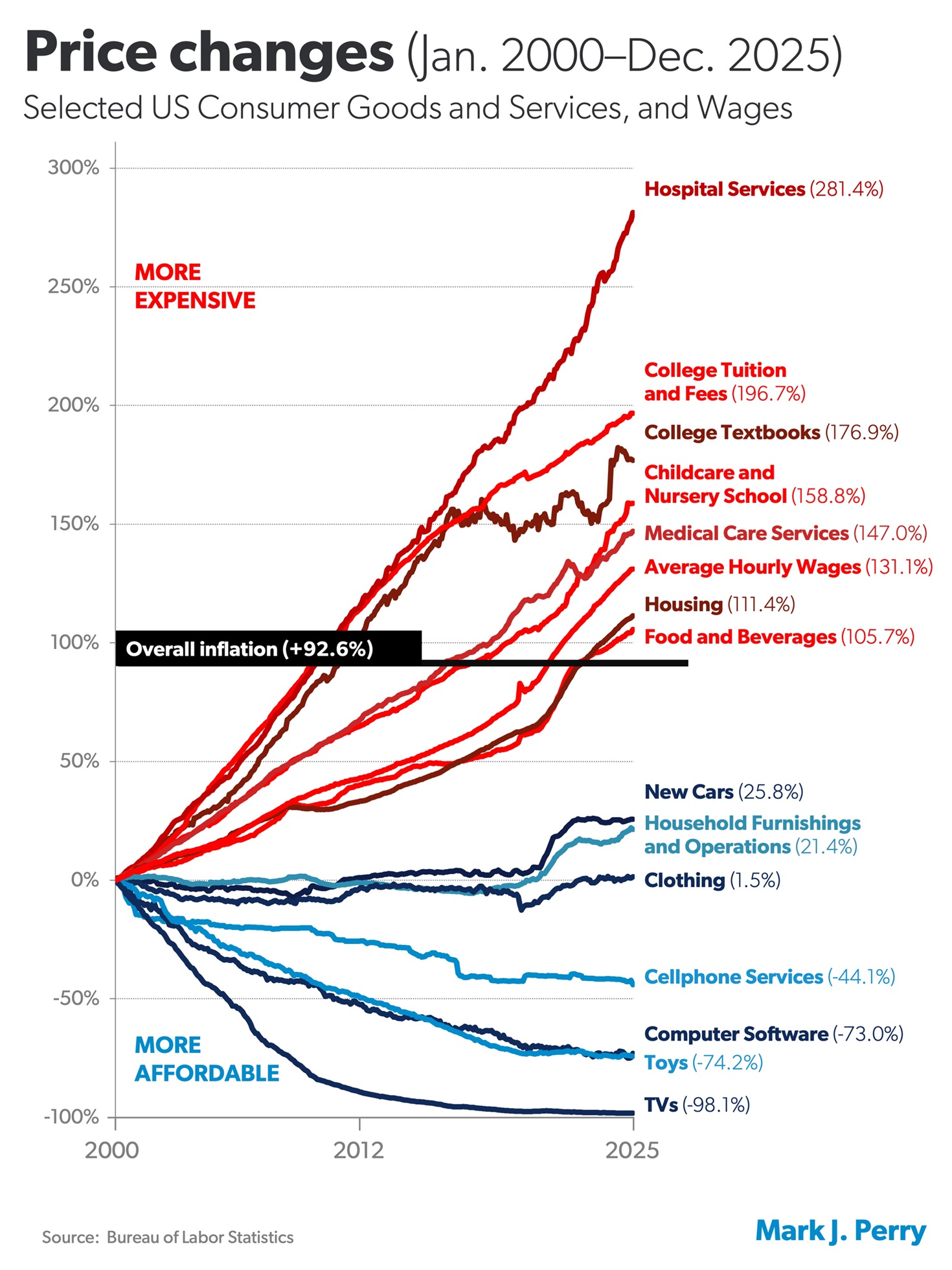
Overall consumer prices didn’t spiral. The full-year average inflation rate for 2025 clocked in at 2.6 percent. Monthly readings hovered right around 2.7 percent for most of the year, with a brief bump to 2.9 percent in August and September before easing back. By January 2026, just before the Supreme Court kill shot, the annual pace had cooled to 2.4 percent. That’s not an explosion. That’s steady, contained, and miles from the chaos they forecasted. Core prices excluding food and energy ticked up a bit but never broke into dangerous territory—holding steady around 3.1 percent at peak before settling.
Compare that to the real inflation nightmare of 2021-2022, when prices were surging 7-9 percent without any new tariffs in play. The naysayers’ script was pure fiction.
The Real Price Analysis: Modest Hits, No Broad Carnage
Break it down by the numbers, and the story gets even clearer. Tariffs did raise costs on imported goods—about 7 percentage points higher at retail than pre-tariff trends by early 2026. That’s the pass-through effect: American importers and consumers shouldered most of it, just like the 2018 round. But it wasn’t a blanket tax on every shelf.
Specific categories took the brunt, as expected when you’re shielding domestic production:
- Clothing and apparel: Retail prices jumped significantly, with some analyses showing 17 percentage points above trend.
- Furniture, household furnishings, and building materials: Up 7 to 10.5 percentage points.
- Coffee, tea, and select foods: Notable rises around 10 percent in spots.
- Durables and core goods: Overall imported prices climbed 1.4 to 2.1 percent above prior trends, with durables hitting similar marks.
Domestic substitutes rose too in some cases—about 4.8 percentage points on average—because competition tightened. Studies pegged the tariff contribution to overall inflation at just 0.4 to 0.7 percentage points across the full CPI basket. In other words, without the tariffs, the 2025 annual rate might have been 2.0 percent instead of 2.6-2.7 percent. That’s measurable but hardly “crushing affordability.” Energy prices and other offsets kept the lid on, and the economy kept growing without the predicted meltdown.
This mirrors the first Trump tariff round exactly. Back in 2018-2019, steel and China duties hit specific sectors—prices for protected goods rose 10-20 percent in spots—but overall CPI stayed cool at 1.8 to 2.4 percent annually. Durable goods inflation was basically flat or negative. No runaway spiral then, either. The pattern holds: Targeted protection doesn’t torch the whole price level.
America First Wins: Tariffs Delivered Without the Doom
From an America First view, this is the proof the critics never wanted. They claimed tariffs would destroy families at the checkout. Instead, inflation ran cooler than their fever dreams, jobs held, and the pressure forced trading partners to the table. The Supreme Court may have yanked the biggest tools on February 20, 2026, but the data from those months shows exactly why we fight for this approach: It puts American workers and manufacturers first without the economic self-immolation the left always predicts.
The naysayers got it wrong twice now—2018 and 2025. Prices didn’t explode. Affordability didn’t collapse. The only thing crushed was their credibility. Real leadership means using every lever, including tariffs, to stop the bleed from bad trade deals. The numbers don’t lie: America came out stronger, not poorer. Time to ignore the panic and keep demanding fair deals that actually benefit the people who built this country.